

Wealth and Autonomy
Why autonomy over your time — not your salary — is the real measure


In my experience with project management, quality certifications, and working with large organizations, one of the biggest lessons that’s taught is: the best solutions always come from the ground up.
It’s known as the bottom-up approach. The individuals working with the material— in the factory, in operations— have the most experience. They see where the opportunities are. They can recommend solutions that effectively work.
Compare this to the top-down approach, where executives have a solution and implement it without understanding the downstream effects. The people at the bottom always have the clearer picture.
This organizational principle matters because throughout this inflation series, we’ve covered a lot of ground on finances from a systemic level. There are three main takeaways.
First, what we’re experiencing isn’t simply “inflation,” it’s robbery. But due to psychological framing techniques — like menticide — we’ve been conditioned to consider it normal.
Second, our monetary systems are designed so that this robbery can occur without people’s awareness. It’s structured to stave off revolution by keeping the mechanism hidden. When you look at society from a systems perspective and understand how ruling classes operate, you see how these structures have been deliberately put in place.
Understanding how society operates as a system is critical if we want to fix anything.
Today, we discuss part three: how the people at the bottom — the ones the system ultimately affects — can start creating systems of their own that protect themselves against the systems working against them.
In this article, you’ll learn:
Why the best solutions to systemic problems always come from the ground up—and how you can apply this to your financial life
How personal deflation strategies can protect you against a system designed to rob you through inflation
The original, metaphysical definition of wealth—and why the mainstream version keeps you trapped
Why autonomy over your time is the true measure of wealth, not your salary or possessions
How to begin building compound interest in your life that others cannot attain
Personal Deflation Systems
In part one of this series, we showed that deflation is what gave rise to the middle class. After the Civil War, from 1870 to 1890, technology and the Industrial Revolution drove prices down so dramatically that the average American could buy more with their dollar. Wages didn’t increase, but money went further. This is what created a new class in America.
Deflation — when prices fall — has been given a negative connotation. We’re taught to think of falling prices as something dangerous, something that requires intervention: PPP loans, stimulus packages, more credit. We justify these events. But all that does is further increase debt. Society doesn’t know this because it’s not supposed to know. Deflation, in its true form, is good. It’s what built the middle class.
Society now needs a new class functioning in society: the deflationers.
What does this look like practically? It means making your money go longer.
In my example of the fifty 20-dollar bills, how much more can your $1,000 take you? Since we know there’s a deliberate attack on our purchasing power, the question becomes: how can I take this money and stretch it further? What are true wants versus true needs?
When you understand how deflation has been tarnished and weaponized, and you understand from the article on time how credit and debt actually work, you realize how this worldwide monetary system operates on credit.
Banks operate on credit; hence, they will always need a ‘story’ to justify why they need more credit. All world events are bank-orchestrated events. Pandemics, riots, wars: these are orchestrated because they lead to the trickle-down effects that lead to the robbery. Remember: it’s easier to control people when prices are higher than it is through outright taxation.
All world events are bank-orchestrated events.
So what can you do?
Stop using debt. The number one thing that feeds this system is debt. Debt is the law of the sea — what the merchants have brought on land — and this is what the system operates on. This is why we have so much credit everywhere, why systems constantly pump more credit, and why world events justify more credit being pumped. If you want to stop participating in the system, you have to stop using debt and credit cards.
Start using cash. Cash is the financial law of the land. When you use cash, what’s occurring is a return to true finances, how money was really meant to be used. This is why methods like Dave Ramsey’s work. They go back to the law of the land. Cash is king.
If you’re fortunate enough to invest, look to the metals of the earth. This is why people are investing in gold and silver. Esoterically, they are rooted in the land. Michael Logan 🐦🔥 and Grey Rabbit Finance are sources I follow on this topic.
For your personal deflation system: use cash, delay purchases until prices drop, and wait until you can afford things outright. Personal deflation systems are going to be key to offsetting the inflationary system we find ourselves trapped in.
Gain Wealth
The etymology of “wealthy” means possessing wealth, being fortunate, good fortune. The original word “wealth” meant a state or condition of happiness, well-being, abundance. In later years, possessions became included in the definition, but the starting point was metaphysical. This is crucial to note because the true definition of wealth reflects in a mental and spiritual state of being.
When we examine fortune and abundance, the state or condition of happiness, and then compare it to the mainstream definition, it vastly differs. The mainstream image of wealth has become entirely material.
Here’s where the trap lies.
Due to this inverted system—this mind parasite known as the deadening that has worked upon the species of humanity through greed and deception—we’ve developed a specific view of wealth. It’s no longer metaphysical. It’s no longer about abundance of happiness, fortune, and time. It’s become purely materialistic. Possessions. Keeping up with the Joneses. This is how modern society has infused its idea of wealth into us, and it drives our reactions. This is what gave rise to consumerism.


This is why this series touches on first principles.
If money is a representation of time, then one who is wealthy is one who possesses an abundance of time. Wealth and time are the same substance since time is the raw material of human life. Wealth is the social technology that stores, transfers, and commands time. True wealth isn’t material but a reflection of spiritual sovereignty.
A wealthy person is one who controls their time. How it’s spent. When it’s spent. People with high incomes but no control over their time are poor. Someone with modest resources but complete autonomy over their time is rich spiritually.
Autonomy over one’s time is the true definition of wealth.
Wealth is one who is able to do whatever they want with their time without negative consequences. This is the ultimate definition1.
This is what one should be working toward.
The Grassroots Movement
Society has tricked us into thinking wealth looks material, that it’s equated with a high salary. But those may be high wages without high autonomy. The soul becomes the ultimate cost. They’ll pay you that much money, but your soul will be destroyed. This is why people crash out, burn out, and end up right back where they started.
If you have your functional resources covered — if you can do whatever you want without threat — then you’ve achieved autonomy that paper millionaires cannot afford. Again, wealth is the abundance of time.
This is the whole premise behind The 4-Hour Workweek, which I read back in 2017-2018. That book gave me the vision for this lifestyle. It’s what pushed me to start building these systems. Back then, I was in the factory, and I wanted out, so I put together a plan — a three-year plan, if you will. Over time, I got out because of the ideas that book planted in me. It showed me a vision of wealth where you’re still working, but you control your time. You can go anywhere, work less, and delegate.
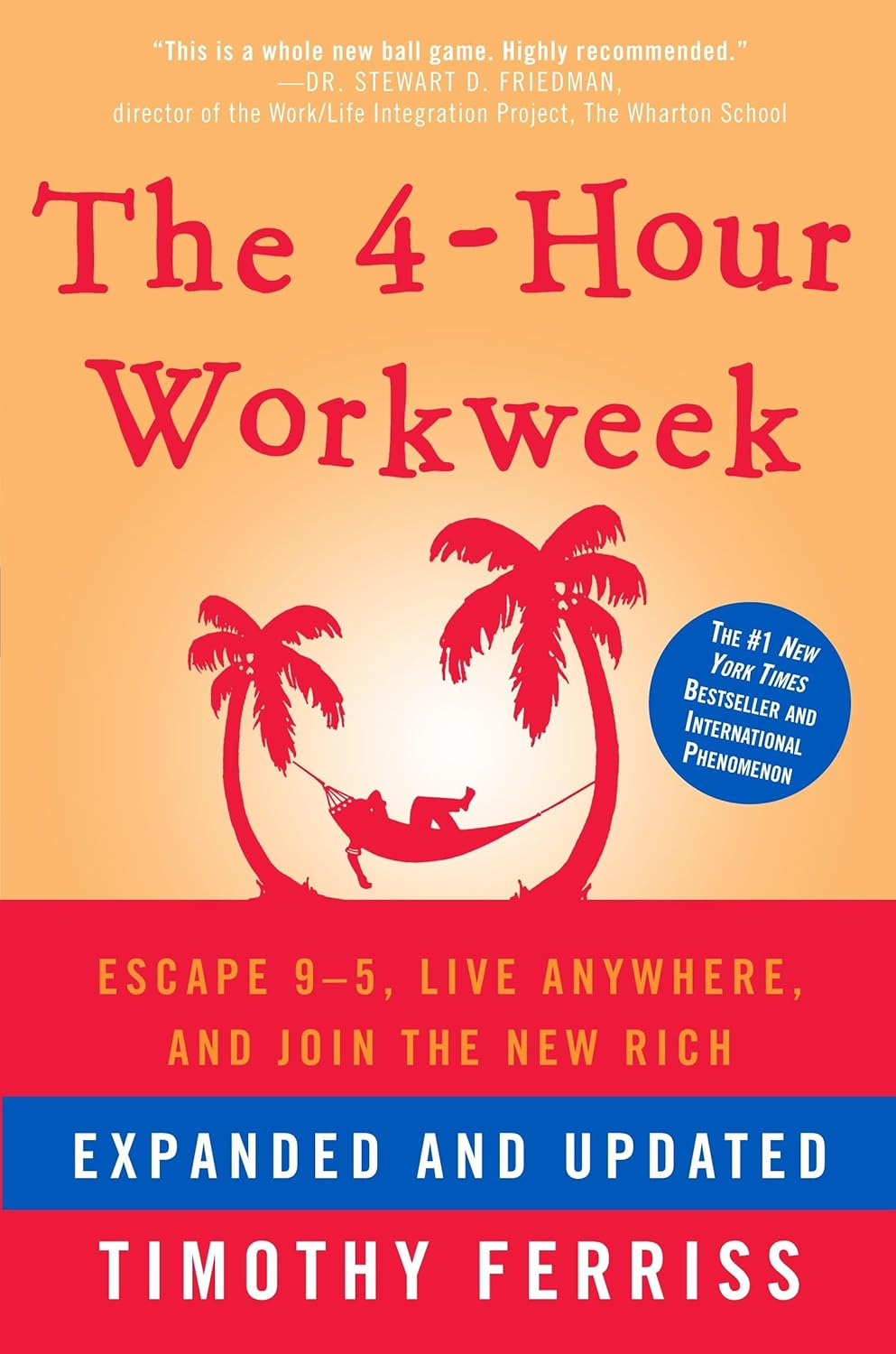
That was before the pandemic. The world has completely changed since then. But I’ve come to realize we can take those same ideas and make them work in our current reality. We can use remote work. With AI, we can delegate even more. We can have more autonomy over our time, promoting abundance and developing true wealth to do whatever we want because our resources are taken care of.
The world has changed, and now a new lifestyle is needed. A new class is needed—one that is effective against modern inflation tactics. Just as deflation gave rise to the middle class, a new class must rise now.
Society has ingrained itself between our stimulus and our reaction. True liberation comes when we separate the stimulus from the reaction. I’ve written about this extensively, the space between prompt and response, and how society has engineered us to make bad decisions.
By being autonomous — cognizant of the stimulus and reaction, exercising liberty, recognizing that time and attention are the most valuable resources — and by turning attention into intention, something begins to happen metaphysically. You begin to gain compound interest that others cannot attain.
When you have time every day, when you can choose when to work, when to rest, when to think, when to be with your family — when your hours aren’t fragmented or constantly interrupted — your time compounds. When you control your time, you invest it strategically: learning, building, reflecting, experimenting instead of merely reacting. This produces more optionality, more abundance, than any high salary ever could.
That compound interest builds daily. Those blessings begin to accumulate. Happiness begins to accumulate. This is the definition of true wealth.
And the best part? You can start right now. Wealth has been given to us every day. We just have to wake up to nature and know the steps to attain it.
Takeaways
Inflation is robbery by another name. The system uses menticide to make us accept what would otherwise be unacceptable.
Deflation built the middle class. When your money goes further without wages necessarily increasing, you gain ground. Personal deflation strategies—using cash, avoiding debt, delaying purchases—are your defense against the inflationary system.
The true definition of wealth is metaphysical. It originally meant happiness, well-being, and abundance—not material possessions. Society has inverted this to keep you consuming.
Autonomy over your time is the real measure of wealth. High income without time freedom makes you poor. Modest resources with full autonomy makes you rich.
Compound interest applies to time, not just money. When you control your time and invest it strategically—learning, building, reflecting—you accumulate blessings that salary-chasers cannot attain.
Next Action Items
Audit your debt. Identify where credit is feeding the system and begin eliminating it systematically.
Switch to cash for discretionary spending. Start with one category (groceries, entertainment) and expand from there.
Distinguish wants from needs. Before any purchase, ask: is this a true need, or has society programmed this desire?
Calculate your time autonomy. How many hours per week do you actually control? That number is your real wealth indicator.
Delay one purchase this week. Practice personal deflation by waiting until the price drops or you’re certain you truly need it.
Closing Thoughts
This is just the beginning of my deep dive into money. There’s so much I didn’t cover that I’ll explore later, like how Clinton set up the 2008 crash, compound interest from a financial and spiritual perspective. But from a metaphysical perspective, we’ve uncovered the connection between water and money. The currents, the banks; these are natural forces we’re dealing with. This is the metaphysical at play.
In my book, I didn’t touch deeply on money, but this series makes for an excellent addition to that work. If you want to learn to see the world this way — if you want to understand how the last 200 years have brought us here — check out my book. It shows, for example, how this natural human species has come under the unnatural idea of “management.” How urgency has been weaponized against us. How we operate in ways we were never supposed to, which is why depression, burnout, and suffering are at all-time highs.
Since this series is entirely on money, it’s only fair that I mention my paying subscribers as I wrote this with you in mind.
For my paid subscribers: thank you so much for the support. If you want more impact in driving the direction of this work, or if you want to work with me on projects — as you can see, I like projects — check out the Founder’s Option to invest together.

For those considering becoming paid subscribers: this is your chance. I have a lot of content that’s guaranteed to change your worldview, a lot of depth to explore.
As always, thank you for your time and attention. Have a great and wonderful day.
—Ashe,
Franklin O’Kanu
If you enjoyed this work and gained value from it, support more work like this by becoming a paid subscriber for $5/month
If you’re already aware but want to take a step toward becoming the best human you can be, you can check out my guide.
11 Insights for Being The Best Human This 50-page guide is the clearest map I’ve created for navigating the madness of modern life. It blends ancient wisdom, spiritual clarity, and grounded daily ritual — helping you remember who you are and why you’re here.
If the world feels off, this guide will confirm why — and help you take back control.
Want to go deeper on what’s really affecting our physical health?
The Master Reference Guide — A comprehensive, fact-based resource on what’s actually in these vaccinations, what the data shows, and what’s been hidden from public view. Built for those who want the full picture.
The Parent’s Guide to Recognizing Severe Reactions — If you have children that have been vaccinated, this is essential. Learn to identify the warning signs that get dismissed, misdiagnosed, or reclassified. Because knowing what to look for can change everything.
Support Unorthodoxy!
If this article opened your eyes, there’s more behind the paywall. Exclusive, in-depth pieces that go deeper, challenge more, and reveal the truths they don’t want us to see.
🔑 Become a paid member and gain access to premium and archived articles, exclusive podcasts, and thought-provoking chats you won’t find anywhere else.
📖 Prefer a comprehensive take? My book, An Unorthodox Truth, is a fact-based journey through 200 years of deception—a must-read for those seeking clarity in a manipulated world.
☕ Feeling generous? Leave a simple tip to support this work—every bit helps me continue creating meaningful content.
Notes and References
This particular perspective is a personal reflection of when a family member made a comment about us being wealthy. On paper, we don’t look that way. But we’re building systems, working toward eliminating debt, and we have more autonomy over our time than most people do. That is wealth.
Love the framing around personal deflation systems. When the whole system pushes us towards debt and buying now, creating an intentional strategy to delay and use cash is lowkey rebellious. I've been trying to apply this with gorceries and its surprising how much longer money can stretch when theres actual friction before purchase instead of just swiping.
When you are young time is of no concern. Most people go through life psychologically asleep and perhaps awaken at some point to find they are now "old" and the greater part of their lives has gone streaming buy like a ticker tape.
Existence ticks away second by second but moves past very quickly. You get closer to the final curtain and wonder where it all went. You simply cannot believe that time didn't wait for you or give you a chance to catch up. Then soon you discover you will have all the time in the world but no way to enjoy it.